


Pets,
Dogs, Cats,
and Tea Tree Oil
What about pets and tea tree oil?
There's not a lot of information out there about dogs and cats and tea tree oil usage. Take a few moments and learn the possible dangers to your animals and their health.
First of all, I do not recommend using tea tree oil on cats or small to medium-size dogs. The reason being that cats and small dogs are highly susceptible to poisoning from straight essential oils, especially tea tree oil and menthol.
Even though you've heard that Tea Tree Oil Replaces hundreds of retail remedies you've purchased over the years, like all those creams, lotions, potions, and soaps for Dandruff, Skin Problems like Acne, Eczema, Psoriasis, and Pus Filled Sores, Mites and Head Lice, Athletes Foot, and more! Tea Tree can be a health hazard for small animals.
Why not use tea tree oil?
Small dogs and cats are susceptible because of their small body size and the ability of their liver and kidneys to process the essential oils. Tea tree oil has a relatively low toxicity to large animals and humans, and I go into detail on the "How Toxic Is Tea Tree Oil" page.

What about tea tree oil pet shampoo?
I also cover specifically using tea tree oil shampoo as an animal care solution.
I get letters and e-mails from folks asking if they can use tea tree oil shampoo to get rid of fleas and lice on their animals.
Again, the answer is dependent upon the size of the dog or cat and the sensitivity to essential oils and aromatherapy products.
Another reason to avoid using tea tree oil on small animals in particular, is that they tend to lick themselves and end up ingesting toxic amounts of tea tree oil.
If you must use tea tree oil on your cat or small dog, a drastic dilution in a carrier oil is of extreme importance.
One to five drops of tea tree oil in a teaspoon or more of carrier oil should be the maximum for any small animal.
Another reason to avoid using tea tree oil on small animals in
particular, is that they tend to lick themselves and end up ingesting
toxic amounts of tea tree oil.
If you must use tea tree oil on your cat or small dog, a drastic dilution in a carrier oil is of extreme importance.
One to five drops of tea tree oil in a teaspoon or more of carrier oil should be the maximum for any small animal.
Tea Tree Oil for
Cat Scratches and Dog Bites
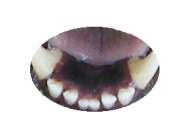
Tea tree oil is also effective when you have been scratched or bitten by your pet.
Dog biting marks can often contain bacteria and viruses that cause infections in human skin.
To help prevent infection a thorough washing with soap and water, and then treating with tea tree salve or a good antibiotic gel or cream may
help with avoiding infection.
If you do not know about the dog or cat, and who owns it, keep
a close eye on the wound and get to a doctor at the first sign of
infection or redness.
Have you found this pets page useful? Find out about tea tree oil and bacteria